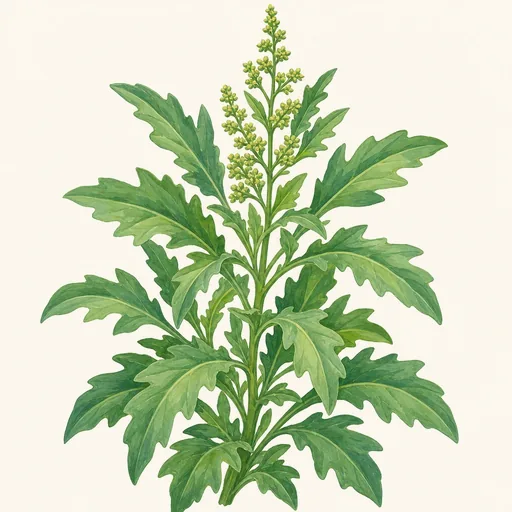
Epazote
Dysphania ambrosioides · Amaranthaceae
- Start indoors4–6 weeks before the last frostFeb 27 – Mar 19
- Sow outdoors1–3 weeks after the last frostApr 17 – May 7
- Plant out1–3 weeks after the last frostApr 17 – May 7
- Space30–45 cm (12–18 in) apart
- Harvest45–60 days after plantingJun 1 – Jul 27
Description
Epazote is a strongly scented herb grown for its leaves, which are used in Mexican and Central American cooking. It is usually an annual, though it may persist as a short-lived perennial where winters are warm. Its upright, branching stems commonly reach 30–120 cm tall. The narrow, pointed leaves have irregularly toothed edges and release a distinctive, pungent aroma when crushed. Small greenish flowers form in clusters along the stems, followed by numerous tiny seeds. A mature plant can self-sow readily.
Cooks add small amounts of fresh epazote to beans, quesadillas, soups, and stews. Its flavor is assertive, often described as earthy, resinous, and slightly citrusy, so a few leaves may be enough for a dish. The leaves are generally preferred fresh; drying can diminish their flavor. Epazote is traditionally added to beans in the belief that it reduces digestive discomfort, but this effect is not well established.
In the garden, epazote grows best in full sun and well-drained soil. It tolerates heat and relatively poor soil, but regular watering supports leafy growth. Sow seeds after the risk of frost has passed, or start them indoors and transplant young plants outside once temperatures are warm. Harvest tender leaves and shoot tips as needed, pinching stems to encourage branching. Removing flower clusters limits unwanted seedlings. Frost can kill the plant, so gardeners in cold climates usually grow it for one season.
Culinary amounts of the leaves are different from concentrated extracts. Epazote essential oil contains compounds that can be toxic, and it should not be taken internally. Avoid using the herb in medicinal quantities, particularly during pregnancy. If growing it near other herbs, allow space for its branching habit and harvest it before it sets seed if you do not want it spreading.
Growing Conditions
0.6–1.2 m (2–4 ft) tall, 30–60 cm (12–24 in) wide
- Smallest
- Largest
Full sun, 4+ hours
Tolerates part sun
Moderate
Keep evenly moist, not soggy.
Ideal 18–30 °C (64–86 °F)
Survives down to −2 °C (28 °F).
acidic to neutral to alkaline
Where it Grows
Planting
When to Plant
Plant epazote outdoors in spring, after the last expected frost, when the soil has warmed to at least about 65°F (18°C). It is a heat-loving herb: cold soil slows germination, and frost can damage young plants. If you want an earlier harvest, start seeds indoors about four to six weeks before your last frost date, then move the seedlings outside only after frost danger has passed. Acclimate indoor-grown seedlings to outdoor conditions gradually over about a week before planting them out.
In places with a long, warm growing season, you can sow another batch in early summer for a later harvest. In frost-free climates, plant when temperatures are reliably warm rather than following a fixed spring date. Epazote may reseed itself where winters are mild, so seedlings appearing in the garden are another sign that conditions are suitable. Wait for a settled warm spell if nights remain chilly.
How to Plant
Choose a spot with full sun and well-drained soil. Epazote tolerates relatively poor soil, so there is usually no need to add much fertilizer; overly rich conditions can encourage leafy growth without improving its flavor. Remove weeds and loosen the top few inches of soil before sowing.
Direct sow the small seeds on the soil surface. Press them down gently, or cover them with only a very thin dusting of soil, because light helps them germinate. Mist or water gently so they are not washed away, and keep the surface lightly moist until seedlings emerge, usually within one to two weeks in warm conditions. Once they have several true leaves, thin them to roughly 12–18 inches (30–45 cm) apart to give the plants room to branch.
If using indoor-started seedlings, plant them at the same depth they grew in their pots, handling the roots gently. Water them in, then water established plants when the soil dries out rather than keeping it constantly wet. A container with drainage holes also works; choose one at least 12 inches (30 cm) wide. Remove flower heads before seeds mature if you do not want epazote spreading around the garden.
Growth Timeline
- Germination 7–21 days
- Seedlings indoors 2–7 weeks
- Growing in the garden 45–60 days
- Harvest 10–20 weeks
Planting Calendar
- Start seeds indoors: 4–6 weeks before the last frost
- Sow outdoors: 1–3 weeks after the last frost
- Plant outdoors: 1–3 weeks after the last frost
- Germination: 7–21 days
- Start indoors: Feb 27 – Mar 19
- Sow outdoors: Apr 17 – May 7
- Plant out: Apr 17 – May 7
- Harvest: Jun 1 – Jul 27
Care
Care Calendar
- Thin · Apr 24 – May 21
Thin seedlings to give each plant room to branch. - Pinch out · May 8 – Jun 11
Pinch growing tips to encourage bushier growth. - Prune · Aug 2 – Oct 10
Remove flower clusters before seeds mature to limit self-seeding.
Watering
Water newly sown epazote gently so the top layer of soil stays lightly moist until seedlings are established. After that, water deeply when the upper 1–2 inches (2.5–5 cm) of soil feel dry, rather than giving frequent shallow sprinkles. Established plants tolerate short dry spells, but prolonged drought can slow growth and leave you with fewer tender leaves. In hot weather or containers, check more often: pots can dry out much faster than garden beds. Aim water at the soil instead of routinely wetting the foliage. Good drainage matters more than a rigid schedule, since persistently soggy soil can damage roots. Let rainfall count toward watering, and reduce irrigation as temperatures cool and growth slows. If a plant wilts during midday heat, check the soil before watering; brief wilting does not always mean the root zone is dry.
Pruning
Pinch out the growing tip when a young epazote plant is about 6–8 inches (15–20 cm) tall to encourage branching and make leaves easier to pick. Continue trimming shoot tips as needed, removing no more than about one-third of the leafy growth at a time so the plant can recover. Cut just above a leaf pair or branching point. If your main goal is a steady supply of leaves, remove flower stalks as they appear; flowering shifts the plant’s energy toward seed production. This also helps limit unwanted seedlings, because epazote can self-sow readily. Leave a few flowers only if you want to collect seed. Remove dead or damaged stems with clean shears. In frost-free areas, an older plant may become woody; light, regular trimming is generally more useful than cutting it back into bare, leafless stems.
Weeding
Keep the soil around young epazote plants free of weeds, especially while seedlings are small and easily crowded. Hand-pull or use a shallow hoe when the soil is slightly moist, taking care not to disturb epazote roots. Remove weeds before they flower and set seed so they do not become a continuing problem in the bed. Once epazote has filled out, its foliage may shade some nearby weeds, but check around the base and between plants regularly. A thin layer of mulch can reduce new weed growth without repeated cultivation. Be certain you have identified the epazote before weeding: its volunteers can look like other small, leafy seedlings at first. Keep only the self-sown plants you want, and pull the rest promptly. Avoid applying herbicide near plants whose leaves you intend to eat.
Mulching
Spread 1–2 inches (2.5–5 cm) of clean straw, shredded leaves, or another loose organic mulch around established epazote plants. Leave a small gap around each stem so the mulch does not hold moisture against it. Mulch helps suppress weeds, moderates soil temperature, and slows evaporation during hot, dry weather. Keep the layer fairly light: epazote prefers well-drained soil, and a thick, wet mat is not helpful around its roots. Wait until seedlings are large enough that the mulch will not bury them. In a damp climate or a bed that dries slowly, use less mulch and check the soil before watering. Refresh the layer only as it breaks down. If you want epazote to self-sow, leave a little bare soil where fallen seed can reach the ground; otherwise, mulch can help reduce volunteer seedlings.
Fertilizing
Epazote usually needs little fertilizer, particularly in reasonably fertile garden soil. Before planting, mixing a modest amount of finished compost into poor soil is often enough to support leafy growth. If an established plant is pale or growing slowly despite adequate light and water, use a light application of a balanced fertilizer according to its label, then reassess rather than feeding on a fixed schedule. Too much nitrogen may encourage soft growth without improving the plant’s strong flavor. In containers, nutrients wash out more readily, so an occasional dilute feed during active growth may be useful; avoid letting fertilizer build up in the potting mix. Do not place fertilizer against the stem, and water it in as directed. If several plants in the same bed struggle, a soil test can help identify a deficiency before you add more nutrients.
Pest Management
Inspect epazote regularly, especially the undersides of leaves and tender growing tips. Aphids, spider mites, and leaf-chewing insects may occasionally appear, although serious damage is not inevitable. For a small infestation, remove affected leaves or dislodge aphids with a firm spray of water. Keep plants adequately watered during dry spells, since stressed plants are less able to recover from damage. Allow room for air circulation, clear away badly damaged plant debris, and avoid broad-spectrum insecticides that can kill helpful predators. If pests persist, identify them before choosing a treatment. An insecticidal soap labeled for edible plants may help with soft-bodied insects when applied exactly as directed, including any harvest restrictions; it will not control every chewing pest. Test a small area first, and avoid spraying during strong sun or when pollinators are visiting flowers.
Harvesting
Begin picking epazote once plants are well established and have enough foliage to keep growing. Snip individual leaves or tender shoot tips with clean scissors, leaving most of each stem and no more than about one-third of the plant at any one harvest. Regular light picking encourages branching and provides tender new growth. Harvest before extensive flowering if leaves are your priority, and remove flower stalks unless you want seed. Use fresh leaves soon after picking; for longer storage, dry or freeze them, understanding that their distinctive aroma may change. Epazote is strongly flavored, so use leaves sparingly in cooking. Do not treat it as a medicinal herb or use concentrated epazote essential oil as a food substitute; the oil can be toxic. If saving seed, let selected flower heads dry on the plant, then collect them before they scatter.
Growing in Containers
Grows well in a pot of at least 10 litres (2.6 US gallons), with drainage holes. Best kept outdoors.
Propagation
From seed
- Sow outdoors after the last frost, once the soil has warmed.
- Press seeds onto the soil surface and cover very lightly.
- Keep the soil lightly moist until germination.
- Thin seedlings to about 12 inches apart.
From cuttings
- Take a 4- to 6-inch cutting from a healthy, nonflowering stem.
- Remove the leaves from its lower half.
- Insert the stem into moist, free-draining potting mix.
- Keep it warm and out of direct sun until roots form.
- Transplant after new growth appears.
Companion Plants
Good neighbors
- Beans: Gardeners traditionally plant epazote near beans in an effort to deter bean beetles, although reliable pest control has not been established.
Common Problems
- Yellowing leaves
- Sticky residue on leaves
- Black sooty coating
- Curled or cupped leaves
Aphids are small, soft-bodied insects that feed by piercing plants and drawing out sap. The group includes many…
- Brown or crispy leaf edges
- Wilting
- Bleached or scorched patches
- Leaves dropping
Frost damage is an injury caused when plant tissues become cold enough for ice to form or for cells to lose water to…
- Root rot: Soggy soil or poor drainage can cause yellowing and wilting; let the soil dry somewhat between waterings.
- Aphids and spider mites: These sap-feeding pests may distort leaves, especially on stressed plants.
- Leaf miners and caterpillars: Check leaves for winding trails or chewed edges and remove badly affected foliage.
- Powdery mildew: Crowded plants with poor airflow can develop a white coating on their leaves.
- Unwanted self-seeding: Epazote readily spreads if its seed heads are left to mature.
Varieties
- Green epazote: The usual culinary form, with green leaves and a strong, pungent scent.
- Red epazote: A red- or purple-tinged form grown for its color as well as its aromatic leaves; it is not always sold as a distinct named cultivar.
Health Benefits
Epazote is best known as a culinary herb traditionally added to beans. It has a long-standing reputation for reducing the gas and digestive discomfort associated with bean dishes, but good human studies have not established how well it works. Its distinctive flavor is a sound reason to use it; digestive relief should be considered a possible traditional use, not a dependable treatment.
Epazote has also been used in folk medicine to treat intestinal worms. This history needs an important caution: the plant’s concentrated essential oil contains ascaridole and can be poisonous. Serious illness and deaths have been associated with medicinal use of epazote oil. Do not take the essential oil or use strong preparations to treat parasites; seek medical diagnosis and effective treatment instead.
Like many leafy herbs, epazote contains plant compounds and some nutrients, but the small amounts normally eaten as seasoning are unlikely to provide a substantial nutritional benefit. Laboratory findings about its compounds do not establish that eating epazote prevents or treats disease.
Using modest amounts of the leaves in food is different from taking concentrated extracts or large medicinal doses. People who are pregnant or breastfeeding, and anyone considering epazote for a child, should avoid medicinal preparations and ask a qualified healthcare professional about safety.
Fun Facts
- The name epazote comes from the Nahuatl word epazotl.
- Epazote is also called Mexican tea and wormseed.
- Its pungent aroma is often described as a mix of citrus, mint, and petroleum.
- Though used like an herb, it belongs to the amaranth family, alongside spinach and quinoa.
- A single plant can produce abundant seed and reappear in the garden the following year.
Notice an error or have a question about Epazote? Contact us